
Why Heritage Travel to Africa Is More Than a Trip—It’s an Emotional Journey
Before You Read: Join the Journey
If you’re thinking about a heritage trip to Africa in 2025 or beyond, don’t do this alone.
Our team has just completed fresh validation study with African diaspora travelers across the world—and we’re turning it into the first, AI cultural preparation platform – no one has ever done this; not booking.com, TripAdvisor, or trip.com.
Sign up to join our heritage travel list and get early access to our platform when we launch in March 2026.
Heritage Travel Africa: Introduction

Heritage travel to Africa is no longer just about ticking off famous sites. For many in the African diaspora, it has become a deeply personal cultural heritage journey centred on identity, belonging, and emotional reconnection.
In 2025, travelers are increasingly choosing meaningful African diaspora travel over traditional tourism. Instead of packaged sightseeing, they want honest conversations, community connection, and spaces where they can explore who they are in relation to the continent.
The insights in this article come directly from our recent heritage travel research—a mix of surveys and trend analysis with people preparing for or returning from their own ancestral tourism Africa journeys.
The Emotional Weight of Heritage Travel
For many travelers with African roots, planning a heritage trip comes with questions that go far beyond logistics:
- Will I be accepted when I arrive?
- Am I “African enough” to claim this connection?
- What if the reality of my history is heavier than I imagined?
In our research, identity and belonging were mentioned again and again as the main emotional theme of heritage travel Africa. Visits to coastal forts, memorials, and sites linked to the transatlantic slave trade often brought up layered emotions: pride, grief, anger, joy, and a quiet sense of “finally coming home.”
Many travelers later told us that the emotional side of the trip surprised them more than the flights, the jet lag, or the logistics. The lesson is simple: emotional preparation is just as important as booking flights and hotels.
Who’s Taking the Journey?

Heritage travel cuts across age and income, but one group came through strongly in our data: women in their 40s.
By this stage of life, many have:
- More financial stability to invest in meaningful travel
- Enough life experience to sit with complex histories
- A stronger desire to understand their identity more deeply
- Slightly more space as children or careers shift
Women also often act as cultural connectors in their families—collecting stories, organising visits, and passing down traditions. It’s no surprise they sit at the centre of modern African diaspora travel, leading group journeys and building communities around shared roots.
Alongside them are three broad groups we saw in our research:
- Those who have already made a heritage journey and want to stay connected
- Those actively planning trips in the next year
- Those in a serious “research phase,” building confidence before they commit
Each group needs a different balance of information, reassurance, and community support.
Why Preparation Matters So Much
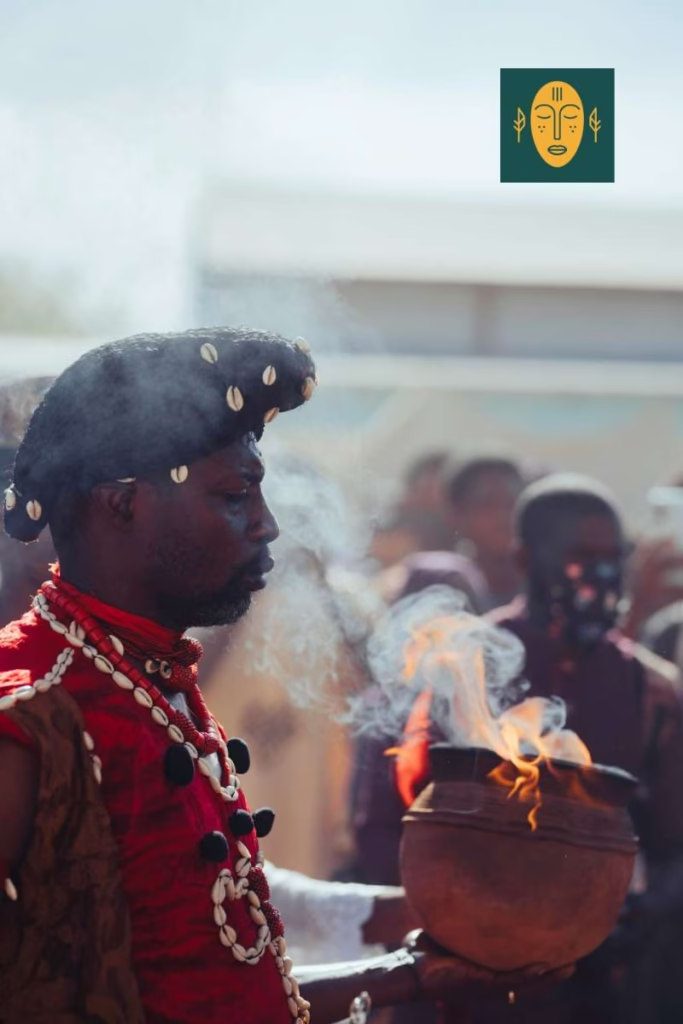
Because heritage travel Africa journeys are so emotionally charged, many travelers are now looking for preparation resources that go beyond basic travel tips. In our research, four types of support came up repeatedly:
- Cultural Guidance
Respectful, practical advice on greetings, dress, gift-giving, and how to behave at sacred or historical sites. - Emotional Support
Tools, calls, or check-ins that help travelers process what they might feel when visiting key locations or meeting local communities. - Community Connection
Safe spaces—online or in person—where travelers can share questions, doubts, and reflections with others on a similar path. - Authentic Information
Guidance from people who live in, are from, or are deeply connected to the destinations being visited.
Travelers told us they are willing to invest in this kind of preparation because they understand what’s at stake. They’re not paying for “extras”; they’re investing in a journey they know could shift how they see themselves, their past, and their future.
The Role of Technology in Heritage Travel
Modern ancestral tourism Africa is shaped heavily by technology. Instead of relying only on guidebooks, travelers are turning to:
- AI-powered cultural assistants to answer questions about customs, safety, or logistics at any hour
- WhatsApp to speak directly with local guides, ask “small” questions they’re embarrassed to post publicly, and stay in touch with new friends they meet on the continent
- Online communities and social media where returnees share honest reflections, not just highlight reels
Technology doesn’t replace human connection, but it helps bridge the gap between curiosity and confidence—especially for first-time visitors.
Practical Steps for Your Own Heritage Journey
If you’re considering a heritage trip, here are some grounded ways to start preparing:
- Clarify Your Intentions
Are you seeking family connections, historical understanding, spiritual grounding, or all of the above? - Name Your Concerns
Write down any anxieties about safety, acceptance, or “fitting in” and bring them into conversation with people who’ve already travelled. - Learn Basic Cultural Protocol
Simple greetings, dress guidance, and photo etiquette can open doors and show respect. - Find Community
Join a group, an online circle, or a guided programme designed for heritage travelers. The relationships you build often become just as important as the places you visit.
Conclusion: Your Next Step
Heritage travel to Africa is not a standard holiday. It is a layered experience of identity, history, and belonging that many describe as life-changing.
Our recent research confirms what many already feel in their bones: people are willing to invest time, money, and emotional energy into doing this well. They understand that this is not just about seeing sights—it’s about meeting themselves in a new way.
If you’re feeling that pull—whether you’re just starting to research or already looking at flights—don’t do this in isolation.
Sign up to join our heritage travel community and research list.
You’ll receive early access to preparation tools, honest insights from other travelers, and support designed specifically for African diaspora heritage journeys.
The journey home to Africa is calling. Your first step is saying yes—and preparing your whole self for the emotional journey ahead.
Dennis Obel, Founder, OurRoots.Africa