
The Real Pros and Cons of Owning a Food Truck in Australia: An Insider’s Guide
Are you dreaming of hitting the open road with a mobile kitchen? Many aspiring entrepreneurs ask the same burning question: What are the advantages and disadvantages of owning a food truck?
It is a tricky question that depends on several factors. While many operators rely on a quick Google search or casual observation to gather information, this rarely tells the full story. For example, while vending at the NGV in Melbourne in 2015, two prospective owners watched my truck for hours but left without asking a single question.
You need more than just observation to truly understand the food truck business. Online information is often not authored by actual vendors, and a single day’s observation can be misleading as sales fluctuate wildly.
This article is based on over a decade of real-world experience. Afrofeast was the first and only African food truck established in Melbourne in 2013. Although we have since closed our service window to focus on other hospitality ventures, my experience offers a transparent look at the reality of this industry.
Here is the honest truth about the pros and cons of operating a food truck.
What is a Gourmet Food Truck?
Before diving into the logistics, it is important to define what we are talking about. While mobile food carts have existed for decades, the modern gourmet food truck is a different beast. Unlike smaller carts, a commercial food truck is a larger, more extensive operation capable of producing high-volume, restaurant-quality meals on the go.
The Advantages of Owning a Food Truck
1. Lower Startup Costs Compared to Restaurants

The most significant barrier to entry in the hospitality industry is capital. The cost to start a food truck is substantially lower than a traditional brick-and-mortar restaurant.
-
Food Truck Setup Cost: Between $30,000 and $250,000+ (AUD).
-
Restaurant Startup Cost: Upwards of $500,000.
The biggest saving comes from avoiding high commercial rent, which can range from $30,000 to over $100,000 annually. Food truckers can prep in a commercial kitchen or home base, drive to a high-traffic location to sell, and return home, minimizing overheads.
Case Study: Afrofeast Cost Breakdown
Here is a breakdown of what I paid to build a custom gourmet truck with Bills Trailers. While prices fluctuate, this gives you a realistic benchmark.
-
Vehicle (Iveco Cab Chassis): $65,000 (from Van World, Sydney Road)
-
Kitchen Fit-out: $60,000
-
Generator: $6,000 (Cummins Onan from MacFarlane Generators)
-
Operations & Permits: $30,000 (Stock, council fees, fire inspection, marketing)
-
Total Investment: ~$161,000 AUD
2. Freedom and Lifestyle

For me, freedom comes first. I established my food truck business in 2013 not because I lacked skills, but because I wanted to escape the rigid structure of the corporate world. At the time, I was working as a project analyst for a leading Australian bank.
The food truck got me out of Melbourne’s dull financial district and into the exciting, unpredictable streets. It allowed me to chase a lifestyle of freedom rather than just chasing money.
3. Rapid Brand Popularity
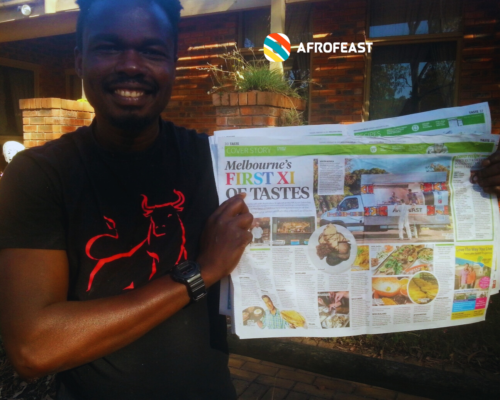
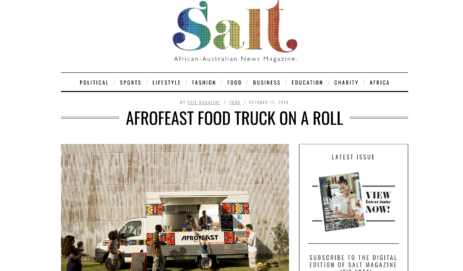
A unique food truck can gain “cult status” much faster than a traditional venue. When the Herald Sun featured us in 2014, our website traffic spiked to 40,000 visitors. Our Facebook page grew exponentially, leading to contracts with major festivals and coverage from other media agencies.
Afrofeast went from oblivion to national status simply because we offered something unique: the first African food van in Melbourne.
The Disadvantages of Owning a Food Truck
Running a food truck is one of the most challenging business models in hospitality. Here are the hurdles you will face.
1. Fierce Competition and Bureaucracy
When we started, Melbourne had only 20 to 30 gourmet trucks. Today, the competition is intense.
-
Brick-and-Mortar Resistance: Fixed restaurants often view trucks as a threat and may lobby local Councils to deny vending permits in their area.
-
Selective Events: Breaking into major festivals is difficult. Despite fitting the brand, we were repeatedly rejected by venues like the Werribee Open Zoo and the Royal Melbourne Show.
However, having a Unique Selling Proposition (USP) is key. Being the only African food truck allowed us to eventually secure spots at major events like Soulfest and White Night Melbourne.
2. Extremely Long Hours (The “Solopreneur” Grind)
If you have a young family or dislike hard labor, do not start a food truck. As an owner-operator, you wear every hat:
-
CEO: Strategic planning and profitability.
-
Cleaner: Constant cleaning to meet strict Council food safety standards.
-
Compliance Officer: Managing permits, traffic laws, and safety regulations.
-
Social Media Manager: Building a following is critical; organizers hire trucks with “clout.”
-
Chef: Prepping and cooking under pressure.
-
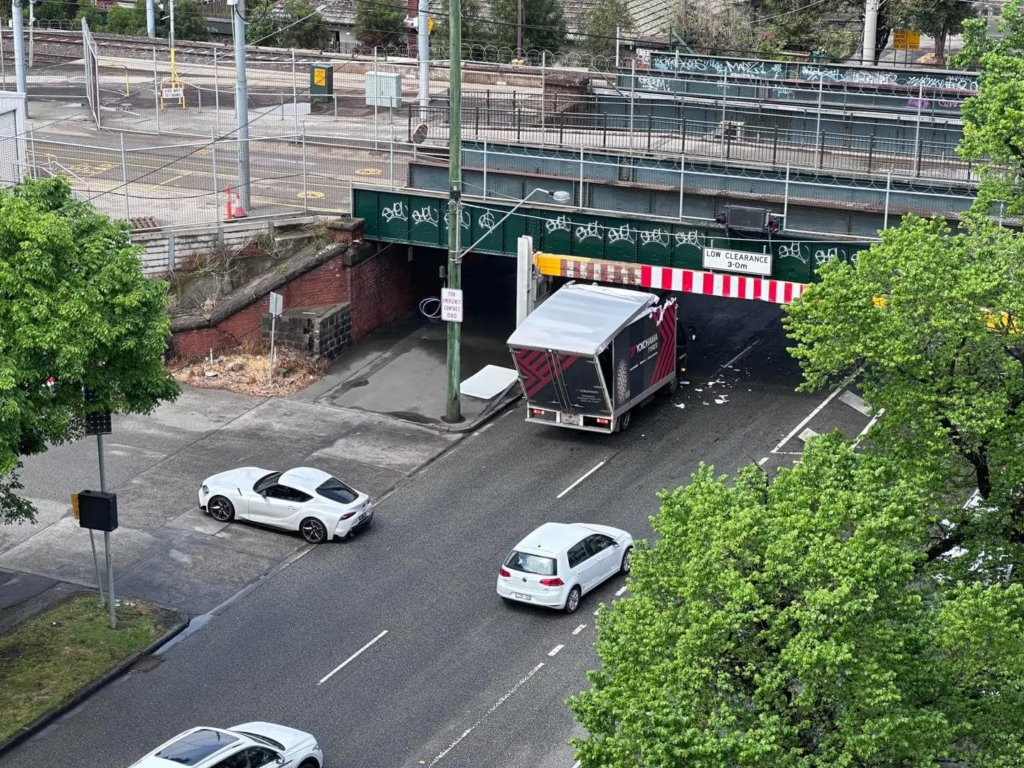
Driver: Maneuvering a 4-tonne, 6-meter long vehicle through narrow CBD alleys. (I once damaged my rangehood driving under a 3.5m bridge in South Melbourne—lesson learned!)
3. Seasonality and Weather
In Australia, the food truck business is highly seasonal.
-
Winter (May – September): Business is very slow. Families stay indoors, and there are few festivals.
-
Summer (October – April): This is your peak season. It is jam-packed with music festivals and markets where you can generate $30,000 – $40,000 in a single weekend.
Unless you have a permanent site or a brick-and-mortar location to supplement income, winter cash flow can be tight.
5 Expert Tips for Food Truck Success
-
Gain Experience First: Work in a busy food truck before buying one.
-
Master Your Numbers: Use accounting software like Intuit QuickBooks or MYOB to track profitability strictly.
-
Build a Hybrid Model: If possible, run a physical store alongside the truck. Use the truck to market the store and share inventory to reduce waste.
-
Network Aggressively: Collaborate with other truckers and build relationships with event organizers to secure recurring spots.
-
Prioritize Compliance: Strictly adhere to ATO reporting, food safety laws, and heavy vehicle regulations.
Conclusion: Is a Food Truck Worth It?
Owning a food truck is highly rewarding but comes with significant challenges.
Do I recommend starting one? Honestly, no—not if you are looking for easy money. The stress, compliance, and physical labor are immense.
Do I regret founding one? Absolutely not. Afrofeast catapulted me into the business world and laid the foundation for my current ventures. Without it, I would still be stuck in a bank cubicle.
If you have the passion, get out there and do it. You will learn more on the road than you ever will online.
With the advent of AI, a digital business is the best option! My advise, stay away from physical businesses!